The Future of Automated Soldering in Electronics Manufacturing
John Chen
Author
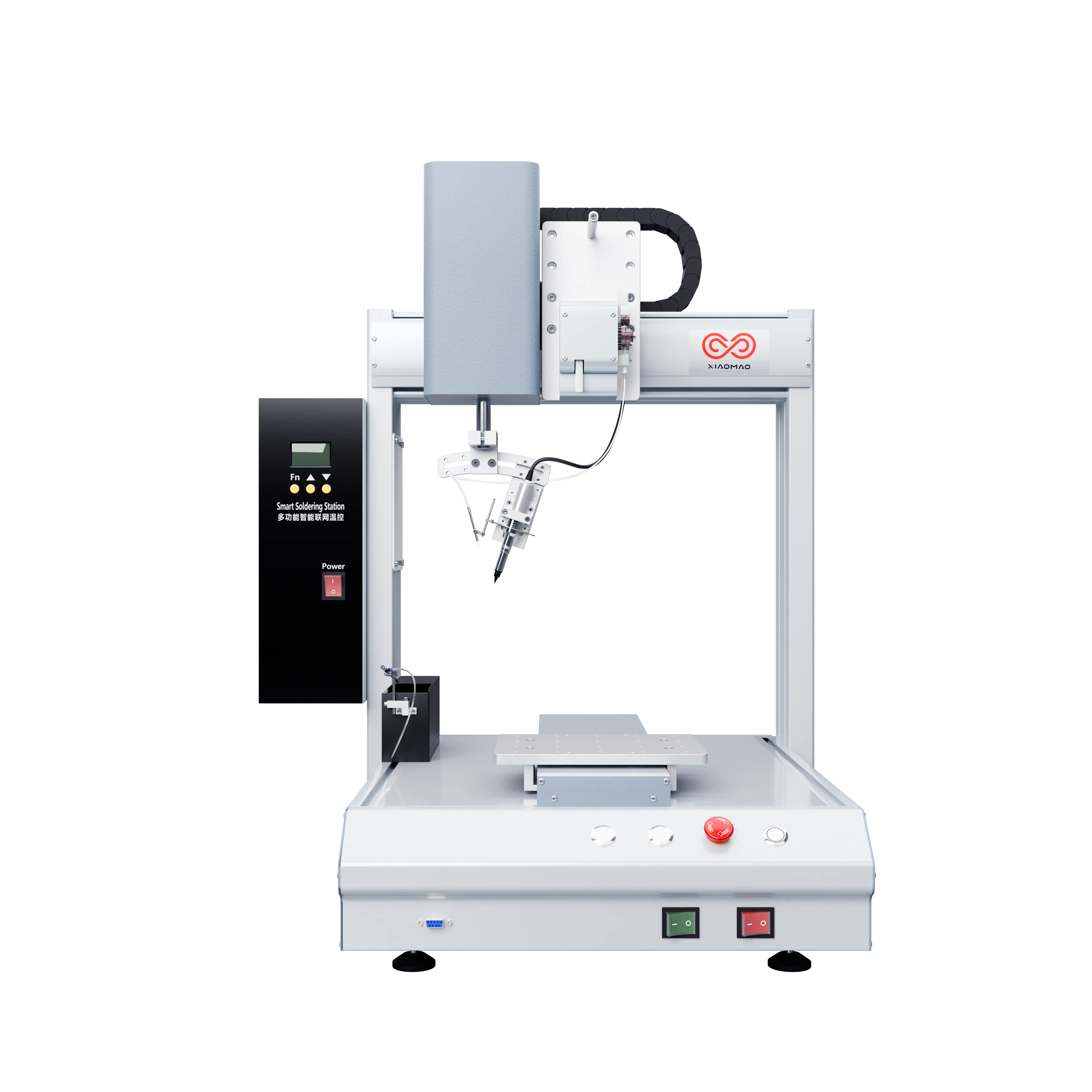
The electronics manufacturing industry is undergoing a significant transformation with the adoption of automated soldering technologies. As devices become smaller and more complex, traditional manual soldering methods are no longer sufficient to meet the demands of modern production.
The Evolution of Soldering Technology
Over the past decade, we've witnessed remarkable advancements in automated soldering systems. From basic pick-and-place machines to sophisticated robotic systems with vision guidance, the technology has evolved to handle increasingly complex tasks with precision measured in micrometers.
Key Advantages of Automated Soldering
- Precision and Consistency: Automated systems can achieve repeatability within ±0.01mm, ensuring every joint meets exact specifications.
- Increased Throughput: Modern soldering robots can complete tasks 3-5 times faster than manual operators while maintaining superior quality.
- Reduced Defects: Vision systems and real-time monitoring reduce defect rates to less than 0.1%, significantly lowering rework costs.
- Worker Safety: Automation eliminates exposure to harmful fumes and repetitive strain injuries.
Integration with Industry 4.0
Today's automated soldering systems are not standalone machines but integral components of smart factories. They communicate with other equipment, collect performance data, and enable predictive maintenance through IoT connectivity.
"The integration of AI and machine learning in soldering robots has reduced our defect rate by 85% while increasing production capacity by 200%." - Manufacturing Director, Leading Electronics Company
Future Trends
Looking ahead, we anticipate several exciting developments:
- Enhanced AI capabilities for adaptive process control
- Collaborative robots that work safely alongside human operators
- Advanced vision systems with 3D inspection capabilities
- Sustainable soldering processes with reduced energy consumption
Conclusion
Automated soldering is no longer a luxury but a necessity for manufacturers who want to remain competitive. The technology continues to evolve, offering ever-greater precision, speed, and reliability. Companies that embrace these innovations today will be well-positioned for the challenges of tomorrow's electronics manufacturing landscape.